
The Thrashing Waves of Femininity
How the ocean’s waves hug the curve of a woman’s shape
Written by: Kate Reuscher, Culture Section Editor
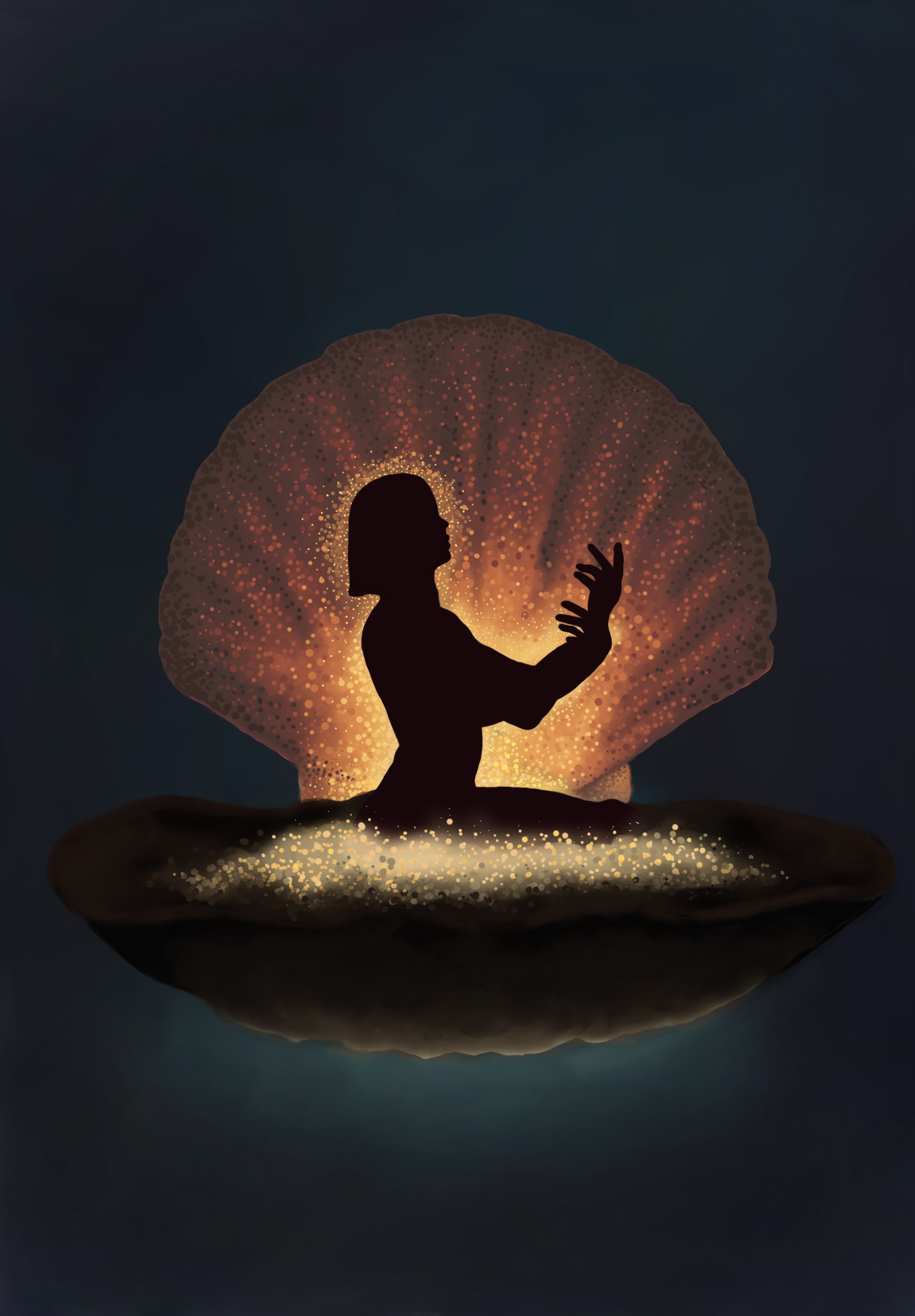


Sea sprays in an arc. White-capped waves rage in torrents. The vast, immeasurable ocean has no mercy for those passing through. It is unpredictable, immeasurable and unequivocally reigns supreme in nature’s wars.
Simultaneously, the ocean heals. Salt water burns as it brightens thick strips of hair and rejuvenates our muscles. The lulling sound of waves lapping along the damp shores leave people awash with calm.
Shipwrecks. The white sand beaches of Bora Bora. Massive orca whales and teeth-baring great white sharks. Cruises. Tsunamis. Lounging on a beach chair. The ocean is divisive, to say the least.
The rippling pain of menstrual cramps. The sacred connection fostered in female friendships. The beauty of motherhood. The enduring sacrifice of motherhood. Womanhood is just as equally divisive, complicated and fragile, special and irrevocably agonizing.
Could it be the reason why we’ve assigned the ocean feminine pronouns?
In some languages, the word for “sea” is already grammatically feminine — like “la mer” in French and “la mare” in Romanian (Parihar, 2026). While not all languages follow suit with this (in Hindi, “samudar” is traditionally masculine), femininity has traditionally held the anchor in the sea.
In maritime culture, ships are also widely referred to as feminine entities. Sailors are believed to have viewed their ships as maternal figures guiding them through the uncharted waters, mirroring the protective and nurturing role that mothers typically fulfill (“Why are boats female?”). Sailors have historically named their ships after other loved ones as well, presumably lovers and their wives.
Take for example, the infamy of the 1912 RMS “Titanic” shipwreck. It lives on because she was considered to be “unsinkable.” She was a powerhouse, an engine, a ship chugging through the ice-infested waters. Meanwhile, women during this period weren’t allowed to vote, couldn’t own a personal credit card and were held under the iron-clad control of a male-dominated society.
But the ships and the sea prevailed through the tides of misogyny. They were regarded with the utmost respect and legacy. Meanwhile, women slipped beneath the surface, only bobbing up for oxygen after cooking a nice meal and feeding their children.
But like a rip current changing the ocean’s flow, women have challenged the patriarchal podium and shifted the balance of societal constructs. They’ve pulled hesitant minds toward the idea of equity, and raged like hurricanes to make their presence all the more known. Their undying fight against oppression is as obvious as a wave crashing onto land.
And as mothers, sisters, healers and nurturers, it’s no wonder women are associated with the calm energy of open water. The ocean has been portrayed as a spiritual portal of health, answering the questions whispered into its waves. It is possibly the world’s oldest teacher, and for that title, it requires a reciprocal level of respect (Scott, 2025).
Women are the true source of human life. They whisper bedtime stories to their children and teach wrinkled wisdom into the wary, stubborn ears of men. They are the portal of another generation, duly deserving the utmost respect.
It’s no wonder we call the ocean a woman. Only the cathartic experience of womanhood could match the ocean’s moods.
References
Parihar, P. S. (2026), The Sea is a Woman. Planted.
Why are boats female? Clipper Marine.
Scott, H. B. (2025). Sea Magic: Where Myth, Memory & Magic Flow. The College of Psychic Studies.